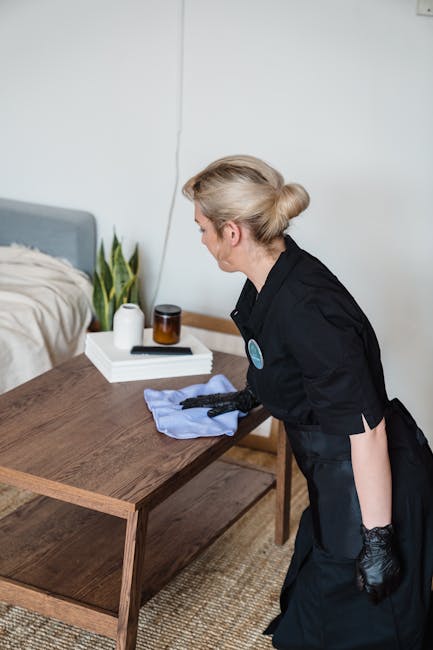
Bedford Square end of tenancy cleaning trusted local services

Moving out is rarely just about boxes, tape, and a last sweep of the floor. In Bedford Square, it often means one more thing: making sure the property is cleaned properly enough to satisfy an inventory check, a landlord's expectations, and your own peace of mind. That is where Bedford Square end of tenancy cleaning trusted local services really earns its keep. Done well, it helps the handover feel smooth instead of stressful. Done badly, it can quickly turn into lost time, awkward calls, and avoidable deductions.
This guide explains what end of tenancy cleaning involves, how trusted local services usually work, what to look for, and how to prepare without overthinking the whole thing. You will also find a practical checklist, a comparison table, and a few real-world pointers that tend to make the difference on moving day. Let's face it, nobody wants to be scrubbing oven trays at 10pm with a removal van booked for the morning.
Expert summary: The best end of tenancy clean is thorough, methodical, and documented. It focuses on the places people forget, the items inspectors notice, and the finishing details that make a property feel properly handed back.
Why Bedford Square end of tenancy cleaning trusted local services Matters
End of tenancy cleaning is not just a bigger version of weekly cleaning. It is a reset. The aim is to leave the property in a condition that matches the tenancy agreement and the inspection standard that usually applies at move-out. Around Bedford Square, where many homes are well-kept but busy, dust, carpet wear, limescale, kitchen grease, and marks on paintwork can build up in ways that are easy to miss until the final inspection.
Trusted local services matter because they understand the pace of a move and the practical pressures that come with it. A local team is more likely to know the common layout issues in period flats, compact kitchens, stair-heavy properties, and rooms with delicate finishes. That sounds minor. It isn't. The difference between a rushed clean and a properly planned one often shows up in the oven, the bathroom grout, and the edge of a carpet under a radiator.
There is also the trust factor. If you are handing keys back soon, you want a service that is clear about scope, timing, and what is realistically possible. Good providers do not promise magic. They explain what will be cleaned, what needs pre-clean preparation, and what can be added if the property needs extra attention. You will notice the relief when a cleaner talks plainly. It's a small thing, but it helps.
For many tenants, the real value is simple: fewer surprises. For landlords and letting agents, it is consistency. For move-out days that are already noisy, messy, and slightly chaotic, consistency is gold.
How Bedford Square end of tenancy cleaning trusted local services Works
Most professional end of tenancy cleans follow a structured process rather than a quick once-over. That structure matters because end of tenancy work is detail-driven. A good clean is usually built room by room, surface by surface, with attention to the things an inventory clerk tends to check first: skirting boards, switches, appliances, sinks, showers, tile edges, windows, and floors.
In practical terms, a trusted local service will usually begin with an assessment of the property size, condition, and any add-on tasks needed. For example, a property may need focused attention on carpets, upholstery, or mattresses if stains or odours are present. In those cases, it can be sensible to combine the end of tenancy clean with services such as carpet cleaning, upholstery cleaning, or mattress cleaning if the tenancy includes those items.
A proper clean usually includes a top-to-bottom sequence: dusting high points, cleaning fixtures, sanitising kitchens and bathrooms, and then finishing with floors and visible touchpoints. That order is not random. If you clean floors first, you will often undo your own work while dusting later. Basic, yes. But people still get it wrong all the time.
Depending on the property, the service may also include specialist stain treatment or targeted removal work. If there are marks from drinks, food, or everyday wear, a service like stain removal can help with the awkward bits that ordinary cleaning products do not quite shift. And if a property has rugs, curtains, or persistent pet smells, those can be dealt with as part of a more complete handover clean using rug cleaning, curtain cleaning, or pet stain odour removal.
To be fair, not every property needs every add-on. The best services only recommend what is actually useful.
Key Benefits and Practical Advantages
The most obvious benefit is a stronger chance of passing the final check without fuss. But that is only the start. A good end of tenancy clean also saves time, reduces last-minute stress, and helps the whole move feel more organised. That matters more than people admit.
- Cleaner inspection results: Surfaces, appliances, and flooring are handled thoroughly rather than selectively.
- Better use of time: You can focus on moving, paperwork, and key handover instead of deep-cleaning every room yourself.
- More predictable standards: Professional teams usually work from a checklist, which means fewer missed spots.
- Useful for furnished properties: Items like sofas, mattresses, and curtains can be cleaned in the same visit if needed.
- Less post-move frustration: A careful clean can reduce the risk of avoidable disputes over cleanliness or damage.
There is also a practical point that gets overlooked: a tidy, fresh property looks and feels better in photographs and inspection notes. Even if no one says it aloud, that impression counts. Clean grout, de-dusted blinds, and a grease-free cooker send a strong signal that the property was looked after.
If sustainability matters to you, you may also want to ask how the service handles products and waste. Some customers prefer a provider who considers responsible disposal and sensible product use. A page like recycling and sustainability can be a useful indicator of that approach.
Who This Is For and When It Makes Sense
Bedford Square end of tenancy cleaning trusted local services are useful for more than one type of move. Tenants use them to prepare for checkout. Landlords use them to reset a property between occupants. Letting agents use them to keep turnover efficient and reduce complaints. And furnished tenants often need them because furniture adds another layer of cleaning, especially in older buildings where dust can gather quickly.
This service makes the most sense when:
- you are moving out of a rented flat or house and want the property cleaned to a professional standard;
- the tenancy agreement expects the property to be returned in a similar condition to when it was let, allowing for fair wear and tear;
- there are carpets, upholstery, rugs, or soft furnishings that need deeper treatment;
- the property has had heavy everyday use, such as cooking residue, bathroom limescale, or pet-related marks;
- you need the job completed quickly between check-out and key return.
It is also helpful if you are the kind of person who would rather spend an afternoon boxing books than cleaning behind a fridge. Completely understandable.
In some cases, a lighter clean may be enough. If the property is already in good condition and only needs touch-up work, a full end of tenancy service might be overkill. The key is matching the service to the actual state of the property, not to wishful thinking.
Step-by-Step Guidance
If you want the process to go smoothly, think of it as a sequence rather than a single cleaning job. Here is a practical step-by-step approach that works well for most move-outs in Bedford Square.
- Read the tenancy agreement and inventory notes. Look for cleaning requirements, appliance responsibilities, and any specific items mentioned in the check-in report.
- Walk through the property room by room. Note stains, limescale, odours, built-up dust, grease, and areas that need specialist treatment.
- Decide what to do yourself and what to outsource. If the oven is heavily soiled or the carpets need attention, a professional clean is often the better move.
- Book a trusted local team with enough time before handover. Try not to leave it until the last afternoon. That is where mistakes happen.
- Remove personal belongings first. Cleaning around boxes and bags only slows everything down.
- Share access details and any concerns. A good provider works better when they know about awkward parking, narrow staircases, or fragile surfaces.
- Ask for a clear scope. You want to know which rooms, fixtures, and specialist extras are included.
- Inspect the result before handing back the keys. Check corners, taps, sockets, shelves, and floor edges. The small stuff is often where a final dispute begins.
If carpets are part of the job, a service such as steam carpet cleaning can be especially helpful where there is visible wear or embedded dirt. Likewise, if fabric furniture has picked up dust, body oils, or pet hair, sofa cleaning may be worth considering.
And yes, check the oven. Always the oven.
Expert Tips for Better Results
Small habits make a large difference with move-out cleaning. Most of the best results come from preparation, not from heroics on the day.
- Book before the moving chaos starts. Once the flat is full of boxes, cleaning becomes slower and more awkward.
- Photograph problem areas before cleaning begins. This is especially useful for your own records.
- Give special attention to touchpoints. Light switches, handles, cupboard edges, and taps collect more grime than people expect.
- Do not mask odours. Fresheners can fade the smell temporarily, but they do not remove the cause.
- Keep a separate bag for cleaning tools and documents. Last-minute scrambling for sponges, keys, or tenancy papers is a classic move-out headache.
- Ask about delicate surfaces. Older Bedford Square homes may have finishes that need gentler methods.
One useful habit is to clean from top to bottom and from dry to wet where possible. Dust first, then wipe, then finish with floors. It sounds almost too simple, but it prevents a lot of rework. Another one: leave windows and blinds for daylight if you can. Natural light exposes missed marks quickly. Slightly annoying, but very useful.
For fabrics, mix-and-match cleaning is common. Curtains, rugs, and upholstery each need different treatment, so it helps to use the right specialist support rather than one all-purpose product. If your home has layered textiles, you may find that upholstery cleaning and curtain cleaning make the whole property feel fresher, not just cleaner.
Common Mistakes to Avoid
End of tenancy cleaning mistakes are usually boring ones. That is the frustrating part. They are not dramatic disasters; they are tiny missed details that add up.
- Leaving it until the final morning. You run out of time, and stress takes over.
- Assuming a standard clean is enough. A move-out clean is usually more detailed than weekly maintenance.
- Ignoring appliances. Ovens, fridges, extractor fans, and washing machines are common inspection points.
- Forgetting vertical surfaces. Doors, skirting, wall marks, and cabinet fronts are easy to overlook.
- Using the wrong products on delicate finishes. Harsh chemicals can leave damage or dulling, which is obviously not ideal.
- Not checking carpets and soft furnishings. One stubborn mark on a cream carpet can dominate the whole room.
A slightly funny but true observation: people will polish a tap until it shines, then forget the dusty top of the bathroom door. Inspectors notice both. Human beings are weird that way. The solution is simple enough though: follow a system and do not improvise too much.
Tools, Resources and Recommendations
You do not need a van full of equipment to prepare well, but the right tools do help. For a move-out clean, basic household supplies often are not enough for built-up grime. A trusted local service will usually bring professional-grade products, vacuum equipment, and the correct attachments for corners, edges, and upholstery.
Useful preparation items include:
- microfibre cloths for dusting and finishing;
- a vacuum cleaner with crevice tools and upholstery attachments;
- non-abrasive cleaning solutions suitable for kitchens and bathrooms;
- degreaser for cooker areas, if appropriate for the surface;
- sponges, gloves, and bin bags for pre-clean clear-out work;
- a checklist printed from your tenancy notes or inspection report.
For property owners or tenants who want more reassurance around booking, payments, and service arrangements, the business pages at pricing and quotes, payment and security, and terms and conditions are the kinds of pages worth reviewing before you commit. They help set expectations clearly, which is usually half the battle.
If you are comparing services, also look for clear information on insurance and safety. That does not sound glamorous, but it matters when work is being done inside someone's home, around fittings, furniture, and potentially fragile surfaces. A page such as insurance and safety is a strong trust signal.
Law, Compliance, Standards, or Best Practice
For tenants in the UK, the main thing to keep in mind is that end of tenancy cleaning is usually governed by the tenancy agreement, the inventory, and the condition expected at move-out, rather than by a one-size-fits-all rule. Fair wear and tear should be considered, but dirt, grease, limescale, and neglect are different from ordinary use. That distinction matters.
There is no sensible shortcut here: the best approach is to follow the written agreement, keep records, and make sure the property is returned in a clean and orderly condition. In practice, this means aligning the clean with the check-in report and being realistic about what a landlord or agent will inspect. If you are unsure, ask for clarification before moving day. That small conversation can save a lot of drama later.
From a best-practice point of view, trustworthy cleaning providers should be transparent about what they can and cannot do, how they handle access to the property, and how any issues are managed. If a business has clear policy pages such as health and safety policy, complaints procedure, and privacy policy, that tends to make the booking process feel more grounded and professional.
One more practical note: if the property includes commercial-style or heavily used shared areas, a provider with experience in commercial carpet cleaning can be useful where standard domestic methods are not quite enough. Not always necessary, but handy to know.
Options, Methods, or Comparison Table
There are a few different ways to handle end of tenancy cleaning. The right choice depends on the property condition, available time, and whether the tenancy includes carpets or upholstered items. Here is a simple comparison.
| Option | Best for | Strengths | Limitations |
|---|---|---|---|
| DIY clean | Very light wear, short stays, small spaces | Lowest cost, full control | Time-heavy, easy to miss details, can be exhausting during a move |
| Basic professional clean | Standard move-outs with moderate cleaning needs | More consistent results, faster turnaround | May not cover specialist stains or fabric care unless added |
| Full end of tenancy package | Busy homes, furnished flats, higher inspection expectations | Broader coverage, better for thorough handovers | Usually costs more than a basic clean |
| Combined cleaning package | Properties with carpets, sofas, mattresses, or curtains needing attention | Efficient, more complete finish, fewer separate bookings | Needs clear scope so nothing important gets missed |
In many real cases, the combined route is the most sensible. If a tenancy includes soft furnishings or carpets that have clearly taken a bit of a battering, bundling services can be cleaner and easier than arranging everything separately. A single visit, fewer handovers, fewer headaches. Simple really.
Case Study or Real-World Example
Imagine a furnished one-bedroom flat near Bedford Square. The tenant has packed up most belongings, but the kitchen has a greasy extractor hood, the oven is tired-looking, the bedroom carpet has a couple of faint marks, and the living room sofa has picked up dust and a few crumbs from months of daily use. Nothing extreme, just normal life, really.
A trusted local team would usually approach that property in layers. First, they would clear the visible surfaces and clean the kitchen fixtures. Then they would handle the bathroom, where limescale and soap residue often hide in plain sight. After that, they would move to soft furnishings and flooring, using appropriate methods for each material. If the carpet needed extra work, a more targeted approach such as steam carpet cleaning could help lift ground-in dirt. If the sofa was part of the inventory, sofa cleaning could complete the picture.
The important thing is not that the flat looks showroom-perfect. It is that it looks properly cared for and ready for the next occupant. In most move-outs, that is what the other side is really checking for. Not perfection. Just clean, honest, and thorough.
That kind of result is also easier to document. Fresh cleaning notes, a tidy property, and clear before-and-after observations make the handover feel straightforward instead of argumentative. Which, frankly, is how it should be.
Practical Checklist
Use this checklist before keys are returned. It is short on purpose. Short checklists get used; giant ones get ignored.
- Remove all personal items, bins, and leftover food.
- Defrost and clean the fridge or freezer if required.
- Clean inside and outside cupboards.
- Wipe skirting boards, doors, handles, and light switches.
- Deep clean the oven, hob, and extractor area.
- Remove limescale from taps, sinks, shower glass, and tiles.
- Vacuum and treat carpets, rugs, and edges.
- Check upholstery for marks, crumbs, and pet hair.
- Dust shelves, window ledges, and radiators.
- Empty all bins and check behind large furniture.
- Inspect the property in daylight if possible.
- Take final photos for your records.
If you are dealing with persistent marks or unusual odours, do not wait until the last minute. Targeted support through pet stain odour removal or stain removal can be the difference between a tidy move and a frustrating one.
Conclusion
Bedford Square end of tenancy cleaning trusted local services are about more than a polished finish. They are about reducing risk, saving time, and making the handover feel calm and organised. That is especially valuable in a part of London where many properties need a careful, detail-driven clean rather than a quick refresh.
The smartest approach is to match the service to the property, the tenancy agreement, and the condition of the rooms you are leaving behind. Use a checklist, ask clear questions, and choose a local team that explains what they do in plain English. That clarity matters. It really does.
Get a free quote today and see how much you can save.
And if you are the kind of person who likes to cross the final box off a list and breathe out properly afterwards, that feeling is worth aiming for.
Frequently Asked Questions
What does Bedford Square end of tenancy cleaning usually include?
It usually covers kitchens, bathrooms, bedrooms, living areas, floors, surfaces, fixtures, and touchpoints. Depending on the property, it can also include carpets, upholstery, mattresses, rugs, and stain treatment if those items need extra care.
How far in advance should I book a move-out clean?
As early as possible is best. A few days' notice can work in some cases, but booking ahead gives you more flexibility, especially if the property needs extras like carpet or upholstery cleaning.
Is professional end of tenancy cleaning worth it for a small flat?
Often, yes. Even small flats can take a long time to deep clean properly, and the kitchen and bathroom are usually more time-consuming than expected. If you are already juggling a move, outsourcing can make a lot of sense.
Do I still need cleaning if the property looks tidy?
Usually, yes. "Tidy" and "end of tenancy ready" are not the same thing. Final inspections often focus on hidden dust, inside cupboards, grease, and limescale rather than just what you can see at a glance.
What if there are stains on carpets or sofas?
Specialist treatment may help, depending on the fabric and stain type. Services such as carpet cleaning, sofa cleaning, and stain removal are often the most practical next step when ordinary cleaning is not enough.
Can end of tenancy cleaning remove pet smells?
It can reduce or remove many common odours, especially when combined with targeted treatment. If pets have left lingering smells or marked fabrics, a dedicated pet stain odour removal service is often the better option.
Do landlords expect professional cleaning every time?
Not always. Expectations depend on the tenancy agreement and the condition in which the property was left. The main aim is usually to return the property in a suitably clean condition, allowing for fair wear and tear.
What should I check before the cleaner arrives?
Make sure belongings are removed, access is arranged, and any special concerns are shared in advance. It also helps to confirm which rooms and items are included so there are no surprises later.
Are carpets cleaned as part of end of tenancy services?
Sometimes they are, but not always. If carpets need a deeper clean, you may need to request it specifically. Steam carpet cleaning is often chosen when the floor covering needs a more thorough treatment.
How do I know if a cleaning provider is trustworthy?
Look for clear information about pricing, insurance and safety, terms and conditions, and how complaints are handled. A provider that explains things clearly is usually easier to deal with when time is tight.
What is the main mistake people make with move-out cleaning?
Leaving it too late. That one issue causes most of the stress. A rushed clean leads to missed details, and those small misses are usually what show up during the final inspection.
Can I combine end of tenancy cleaning with other services?
Yes, and it is often practical to do so. If the property needs carpets, curtains, mattresses, rugs, or upholstery cleaned as well, combining services can save time and create a more consistent result.